Source Montessori Education Busy Book for Home Learning and Training
Source 30 products for the montessori education busy book, comparing features like eco-friendly materials and custom printing. Buyers can evaluate options for hand-eye coordination training, color recognition, and scene reconstruction suitable for all ages.
Key considerations
Products List


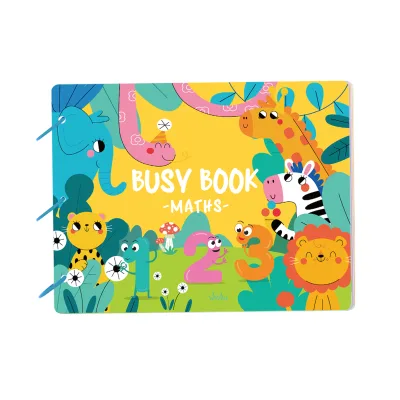
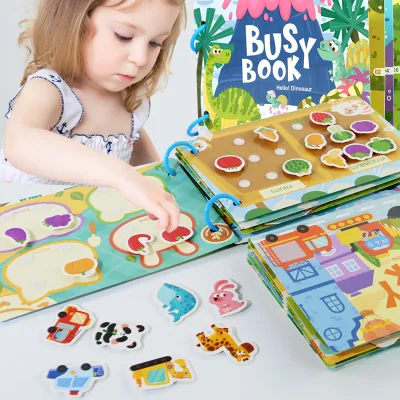


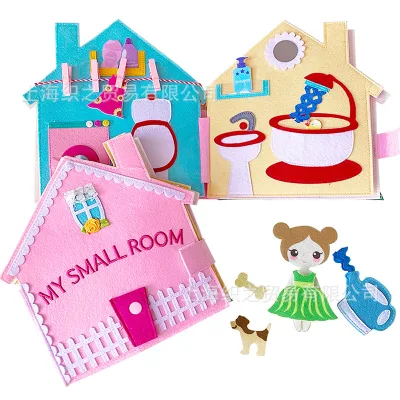
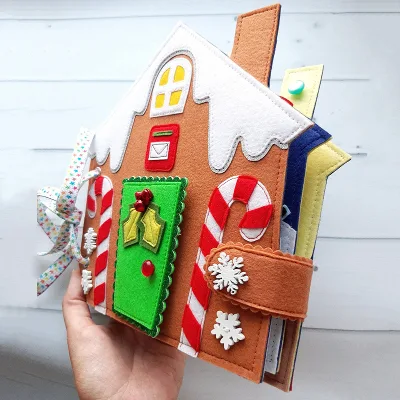
Comprehensive Sourcing Guide
Strategic Sourcing Guide for Montessori Education Busy Books
The global demand for educational materials rooted in Montessori philosophy has driven a significant shift in the early childhood education market. Buyers seeking "Montessori education busy books" must navigate a complex landscape where pedagogical alignment, material safety, and manufacturing capabilities intersect. This guide provides a disciplined framework for procurement professionals to evaluate suppliers, verify technical specifications, and ensure compliance with international safety standards. The focus remains on evidence-based decision-making, utilizing observed market data to inform sourcing strategies without relying on unverified claims.
Understanding Product Definitions and Pedagogical Alignment
Before initiating supplier outreach, it is critical to define the specific attributes of a Montessori busy book within the context of modern manufacturing. These products are not merely activity books; they are tactile learning tools designed to foster independence and cognitive development. Based on observed market data, successful products in this category often align with specific educational philosophies, such as "Montessori Early Education." The core functionality typically involves "Hand-Eye Coordination" and "Color Recognition," with some advanced models targeting "Scene Recognition" to build contextual understanding.
When evaluating potential inventory, buyers should look for products that explicitly state their "Train Ability" matches these developmental milestones. The product theme style often varies, ranging from "Home Cabin Edition" to "Tool Knowledge Edition," indicating that the content must be tailored to specific learning environments. Furthermore, the target demographic is broad, with many suppliers listing an "Age Range" of "All Ages," while others specify narrower bands like "7-14 Years" or "8 to 13 Years." Procurement teams must verify that the selected product's complexity matches the intended age group to ensure the Montessori method of self-directed learning is effectively supported.
Technical Specifications and Material Composition
The physical construction of a busy book is paramount to its durability and educational value. The market data reveals a diverse range of materials, from "Thickened Eco-Friendly Needle-Punched Non-Woven Fabric" to "Plastic," "Paper & Paperboard," and "Wooden" components. Each material offers distinct advantages and challenges regarding cost, sustainability, and tactile feedback.
For buyers prioritizing eco-friendly initiatives, the "Thickened Eco-Friendly Needle-Punched Non-Woven Fabric" is a significant observation. This material is often paired with "Fabric Binding" and "Non-Woven Fabric Three-Dimensional" accessories to create a robust, multi-layered structure. Conversely, plastic and wooden components may be used for specific interactive elements like zippers, buttons, or sliders. The "Material" attribute varies significantly across listings, with some products combining "Plastic" with "Paper" or utilizing "Wooden" parts for structural integrity.
Thickness and weight are also critical specifications. While some products are described as "Light Weight" for portability, others emphasize a "Thickened" construction to withstand repeated handling by children. The standard dimensions observed in the market include sizes like "2424" and "3323cm," with specific models adhering to standards such as "25X17X17 cm." Buyers must ensure that the "Product Size" and "Thickness" align with the physical capabilities of the target age group and the storage requirements of the educational facility.
Compliance, Certification, and Safety Standards
Safety is the non-negotiable cornerstone of sourcing educational toys. The market data highlights several critical certifications that serve as indicators of a supplier's commitment to quality and safety. High-confidence facts indicate that compliant products often carry "ASTM F963-96a," "EN71," and "CE" certifications. These standards are essential for ensuring that the materials and construction meet rigorous international safety requirements.
Specifically, "ASTM F963-96a" is a US standard for toy safety, while "EN71" represents the European standard. The "CE" mark indicates conformity with health, safety, and environmental protection standards for products sold within the European Economic Area. Buyers must verify that the supplier provides valid documentation for these certifications for the specific model being sourced. It is important to note that certification status can vary by product model; for instance, some listings mention "En71, CE" while others may list "ASTM F963-96a, EN71, CE."
Additionally, the "Toy Department" classification often specifies "Boys and Girls," implying a gender-neutral design approach that is standard in modern Montessori pedagogy. When evaluating suppliers, procurement teams should request current test reports to confirm that the "Certification" status is active and applicable to the specific batch of goods. Relying on generic claims without verification can lead to compliance failures in target markets.
Cost Drivers, MOQ, and Supply Chain Variables
Understanding the cost structure of Montessori busy books requires an analysis of material complexity, customization levels, and order volume. The observed price range in the market spans from $0.30 to $25.00 USD, a wide variance that reflects differences in material quality, production complexity, and customization depth. Products featuring "Digital Printing," "Hardcover," or "Softcover" options, along with "Custom Book Printing" capabilities, will naturally command higher price points due to the added labor and technology involved.
The Minimum Order Quantity (MOQ) is another critical variable. Data shows an MOQ range from 1 to 2000 units. For buyers testing the market or requiring small, specialized batches, suppliers offering an MOQ of 1 or low quantities are essential. However, for large-scale institutional procurement, negotiating lower unit costs often requires meeting higher MOQ thresholds, such as the observed 108 units for specific models.
Customization is a primary cost driver. Many suppliers list "Customization: Available" or "Accept," offering options for "Cover Styles," "Perfect Bound," and "Hardcover Book Bin" configurations. The "Customized Packing" and "Color Box" options also add to the final cost. Buyers must balance the desire for unique branding or specific educational content against the budget constraints imposed by these value-added services. Additionally, the "Channel" of distribution, such as "2 Channel" options, may influence the final pricing structure and logistics planning.
Supplier Evaluation and Geographic Considerations
Geographic origin plays a significant role in the sourcing strategy for these products. The data indicates that the primary production hubs are in "China," with specific mentions of "Ningbo, China" and "China Guangdong." These regions are known for their robust manufacturing ecosystems, particularly for non-woven fabrics, paper products, and wooden toys.
When evaluating suppliers, buyers should look for evidence of "Customization" capabilities and "Product Theme Style" alignment. Suppliers offering "Customized Packing" and "Customized" product models demonstrate flexibility in meeting specific buyer requirements. The "prod_model" identifiers, such as "F03," "801," "MUTOY20230613," and "MU," serve as unique references for tracking specific product lines and ensuring consistency in future orders.
It is crucial to verify the "prod_origin" and "prod_standard" details directly with the supplier. While "China" is a common origin, specific provinces like Guangdong or Ningbo may offer different logistical advantages regarding shipping and lead times. Buyers should also assess the supplier's ability to handle "Fuel" power requirements if the product involves mechanical elements, although this is less common for standard busy books. The "Power" attribute observed in some listings suggests a need for careful verification of the product's actual functionality.
Quality Control and Long-Term Procurement Strategy
Effective quality control (QC) for Montessori busy books involves rigorous inspection of both material integrity and functional safety. Given the "Eco-Friendly" and "Anti-Bacterial" attributes often claimed, buyers must verify that these properties are inherent to the materials used, such as the "Needle-Punched Non-Woven Fabric," rather than superficial coatings. The "Usage" of these products often includes "Children Education" and "Kids Brain Training," requiring that all components, including "Fabric Binding" and "Three-Dimensional" accessories, are securely attached to prevent choking hazards.
Long-term procurement considerations should focus on the scalability of the supplier's "Customization" capabilities. As educational needs evolve, the ability to update "Cover Styles" or introduce new "Scene Re" (Scene Recognition) themes is vital. Suppliers with "Accept" customization policies and "Customized Packing" options are better positioned to support long-term partnerships.
Furthermore, the "prod_packing" method, whether "Carton," "Carton Box," or "Paper Carton," impacts the product's condition upon arrival. Buyers should ensure that the packaging is robust enough to protect the "Light Weight" yet potentially "Thickened" contents during transit. The "Standard" dimensions, such as "24*24" or "25X17X17 cm," must be consistent to optimize shipping container space and reduce logistics costs.
Comparative Analysis of Product Attributes
To facilitate decision-making, the following table summarizes key attributes observed in the market for Montessori education busy books. This comparison highlights the diversity in materials, certifications, and specifications that buyers must navigate.
| Attribute Category | Observed Options | Key Considerations for Buyers |
|---|---|---|
| Material Composition | Thickened Eco-Friendly Needle-Punched Non-Woven Fabric, Plastic, Paper & Paperboard, Wooden | Verify durability and tactile suitability for the target age group. |
| Certifications | ASTM F963-96a, EN71, CE, EnColor:Color | Require valid test reports for the specific model; check regional compliance. |
| Customization | Available, Accept, Customized Packing, Cover Styles | Assess MOQ impact and lead time for custom branding or content. |
| Age Range | All Ages, 7-14 Years, 8 to 13 Years | Ensure cognitive complexity matches the developmental stage. |
| Dimensions | 2424, 3323cm, 25X17X17 cm | Check storage requirements and portability for classroom use. |
| Packing | Carton, Carton Box, Paper Carton, Color Box | Evaluate protection levels and sustainability of packaging materials. |
| Origin | China, Ningbo, China Guangdong | Consider logistics costs and supply chain reliability. |
Final Procurement Recommendations
Sourcing Montessori education busy books requires a meticulous approach that balances pedagogical integrity with commercial viability. Buyers must prioritize suppliers who can demonstrate clear alignment with Montessori principles through specific "Train Ability" features like "Hand-Eye Coordination" and "Color Recognition." The verification of "Eco-Friendly" and "Anti-Bacterial" claims is essential, as these attributes directly impact the health and safety of the end-users.
By carefully analyzing the "Material," "Certification," and "Customization" data provided by suppliers, procurement teams can mitigate risks associated with non-compliance and product failure. The wide range of observed prices and MOQs offers flexibility, but it also demands a disciplined evaluation process to ensure that the selected products deliver value over the long term. Ultimately, the success of a sourcing initiative in this category depends on the buyer's ability to translate observed market facts into actionable procurement strategies that meet the rigorous standards of modern early childhood education.
FAQs
What certifications do these busy books have?
Products typically hold ASTM F963-96a, EN71, and CE certifications to ensure safety. Buyers must verify valid test reports for the specific model before ordering to confirm compliance with international standards.
Which materials are used for eco-friendly options?
Eco-friendly versions often use thickened needle-punched non-woven fabric with fabric binding. These materials are designed to be durable and safe for children while supporting sustainable manufacturing practices.
Can I customize the book cover and style?
Yes, customization is available for cover styles, binding types, and packing configurations. Suppliers offer options like hardcover or softcover, but this may affect the minimum order quantity and lead time.
What is the typical price range for these items?
The observed price range spans from 0.30 to 25.00 USD depending on material and complexity. Costs vary based on whether the product includes digital printing, specific dimensions, or custom packaging features.
How do I find suppliers in China?
Suppliers are primarily located in China, with specific hubs in Ningbo and Guangdong. Buyers should verify the origin and standard dimensions like 24x24 cm to ensure logistics compatibility.
What is the minimum order quantity for bulk buying?
MOQs range from 1 to 2000 units depending on the supplier and customization level. Some specific models require a minimum of 108 units, while others allow for smaller trial orders.